The Verdict from US Ballots
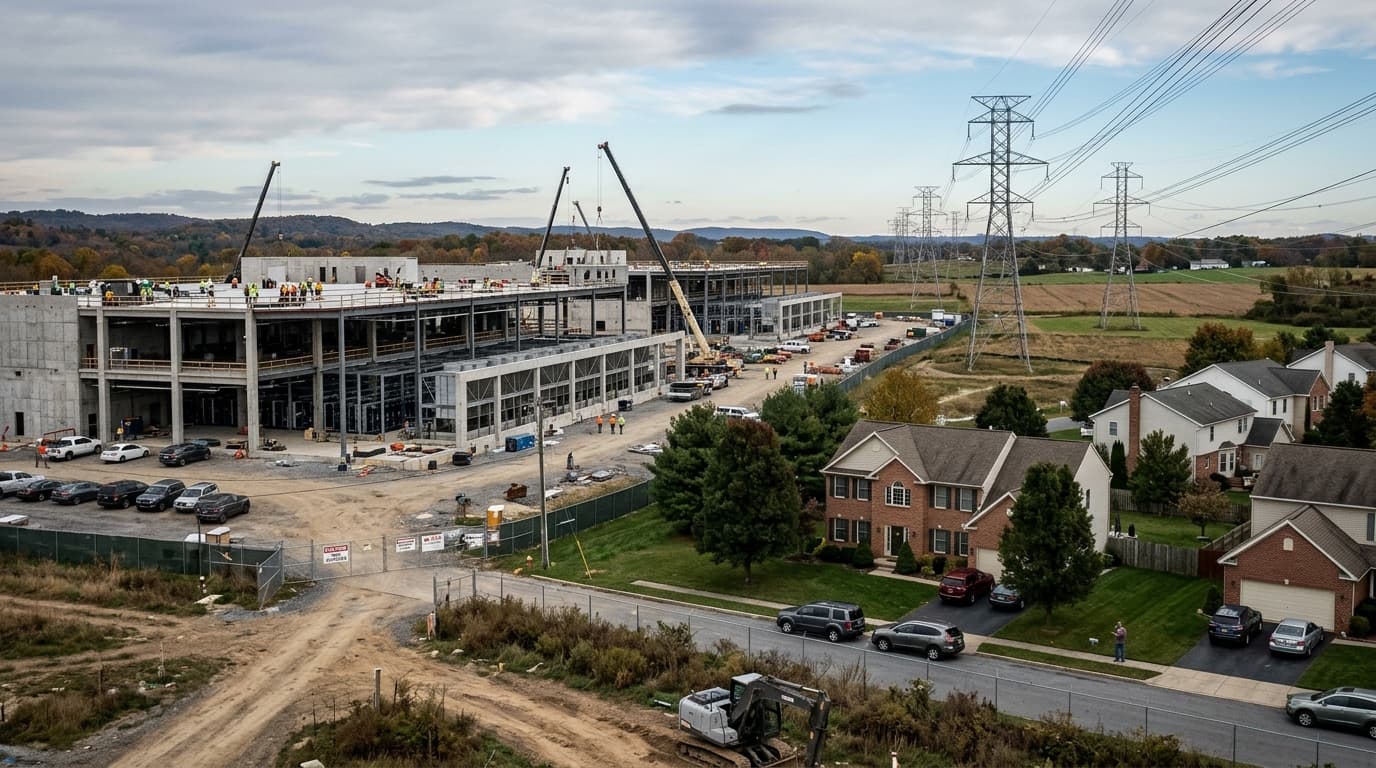
The November 2026 US midterm elections delivered an unexpected inflection point for the global technology sector. What had previously been framed as an unconstrained infrastructure race propelled by venture and capital expenditure collided with acute community pushback across major technological corridors.
In 40 out of 41 local ballot measures across ten states, communities decisively backed moratoriums, stricter zoning constraints, and temporary licensing freezes. Rising household electricity tariffs, local grid congestion, and extensive water consumption placed artificial intelligence infrastructure at the heart of electoral debates.
Grid Governance and Electoral Pressure
The issue quickly transcended municipal councils to shape statewide gubernatorial contests. In key compute territories such as Texas and Ohio, winning candidates centered their platforms on conditioning commercial permits on hyperscalers financing their own transmission upgrades and deploying captive power generation.
With more than $380 million spent on campaign advertisements linking hyperscale load growth to residential utility bills, an AP Voter Poll showed that nearly three-quarters of respondents across political lines oppose hosting new facilities without legally binding energy self-sufficiency safeguards.
Primary Drivers of Voter Backlash
Public opposition does not reflect abstract technological skepticism; rather, it stems from tangible pocketbook pressures and shared resource strain.
Voter feedback and exit poll indicators highlight concentrated anxiety around household power tariffs, local network reliability during seasonal demand peaks, and watershed security.
Reframing the Compute Power Mix
Over the past three years, accelerated deployment of training and inference clusters relied extensively on direct interconnections to high-voltage public grids. This speculative capacity reservation triggered pushback from public utility commissioners and commercial consumers alike.
The electoral outcome compels a structural rebalancing of how power is secured for compute infrastructure, diversifying loads across dedicated on-site generation, contracted long-term offsite assets, and flexible demand response.
- Indicative target allocation aligned with emerging self-sufficiency mandates.
Implications for the Barcelona-Aragon Axis
This policy shift across the Atlantic carries immediate strategic relevance for Southern Europe. As Catalonia and Aragon consolidate their status as a regional cloud and compute axis—anchored by subsea cable landings in Barcelona, the Barcelona Supercomputing Center, and extensive solar capacity along the Ebro basin—the US experience provides an operational blueprint.
At basebcn, we observe that attempting to replicate speculative public grid annexation in Europe would encounter insurmountable regulatory and social barriers. The EU Energy Efficiency Directive and regional environmental statutes require symbiotic integration with surrounding urban and industrial fabrics.
Operational Resilience Assessment
Enterprises deploying high-density computational workloads or developing proprietary infrastructure must evaluate their exposure to tightening energy mandates and local licensing hurdles.
Assess how well your compute deployment strategy addresses emerging European sustainability benchmarks and community coexistence requirements with this structured check.
What proportion of your AI compute power supply is backed by dedicated renewable sources?
Strategic Outlook Leading into 2027
The clear mandate delivered across US ballot boxes underscores an irreversible shift: artificial intelligence development can no longer proceed detached from community energy sovereignty. The era of claiming public grid capacity without directly financing dedicated generation and reinforcement has effectively concluded.
For technology leaders and regional developers across Catalonia and Spain, this shift offers a meaningful competitive window. Those who lead with on-site clean power, closed-loop water systems, and district heat export will secure the social license and regulatory speed necessary to sustain scalable enterprise infrastructure.
“The model of speculative capacity annexation from the public grid has reached a political ceiling; computing's future requires captive energy solvency.”