A Historic Day for IBM
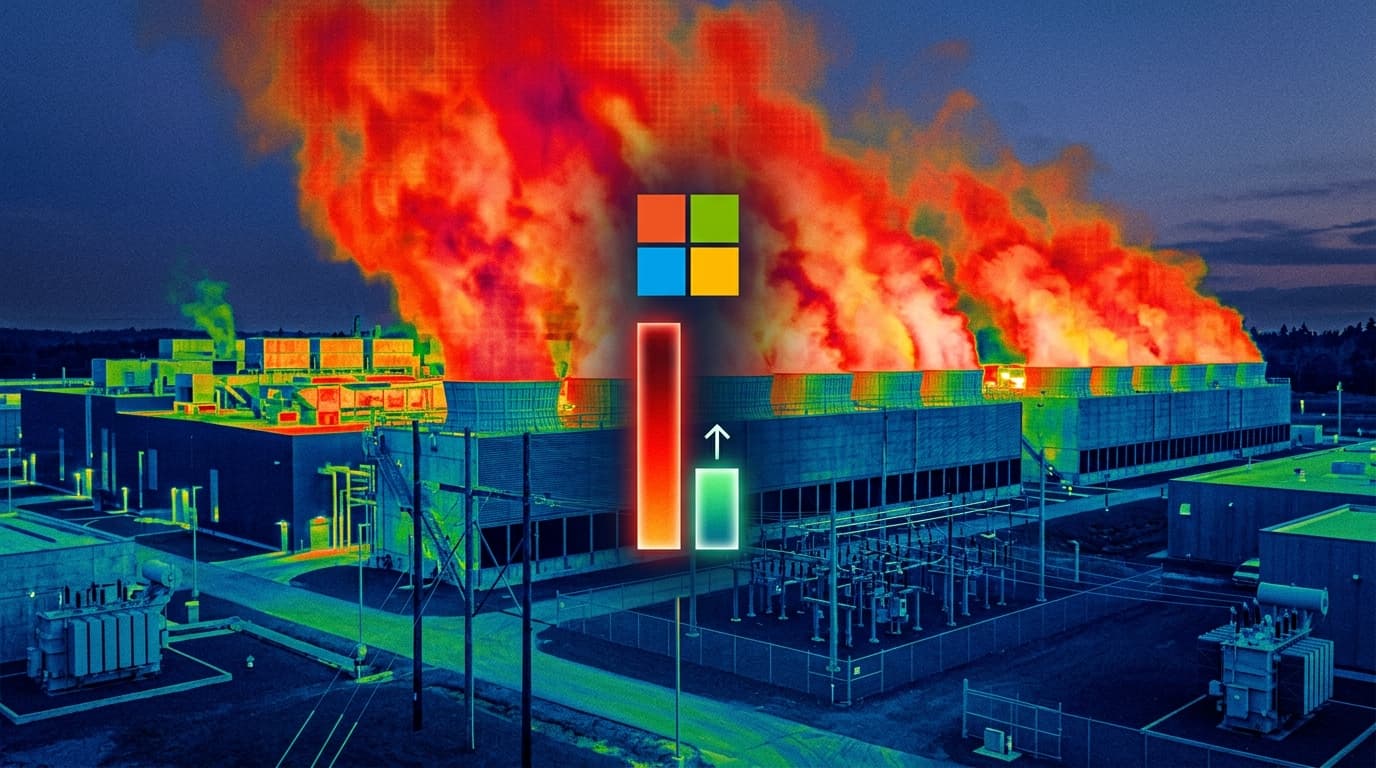
July 15, 2026, will be remembered as a pivotal day for International Business Machines (IBM), as its stock experienced an unprecedented single-day decline of over 25%. This dramatic selloff, the worst in at least 58 years of trading records, wiped billions from the company's valuation and sent shockwaves through the global technology sector. The catalyst was IBM's preliminary second-quarter results, which fell significantly short of analyst expectations for both revenue and earnings per share, signaling deeper shifts within the enterprise IT landscape.
The immediate aftermath saw investors grappling with the implications, but the underlying cause, as articulated by IBM CEO Arvind Krishna, points to a much broader industry transformation. Krishna directly attributed the shortfall to a dramatic and unexpected shift in enterprise capital expenditure, with clients reallocating funds away from traditional IBM offerings towards the burgeoning demands of artificial intelligence infrastructure.
The AI Hardware Imperative
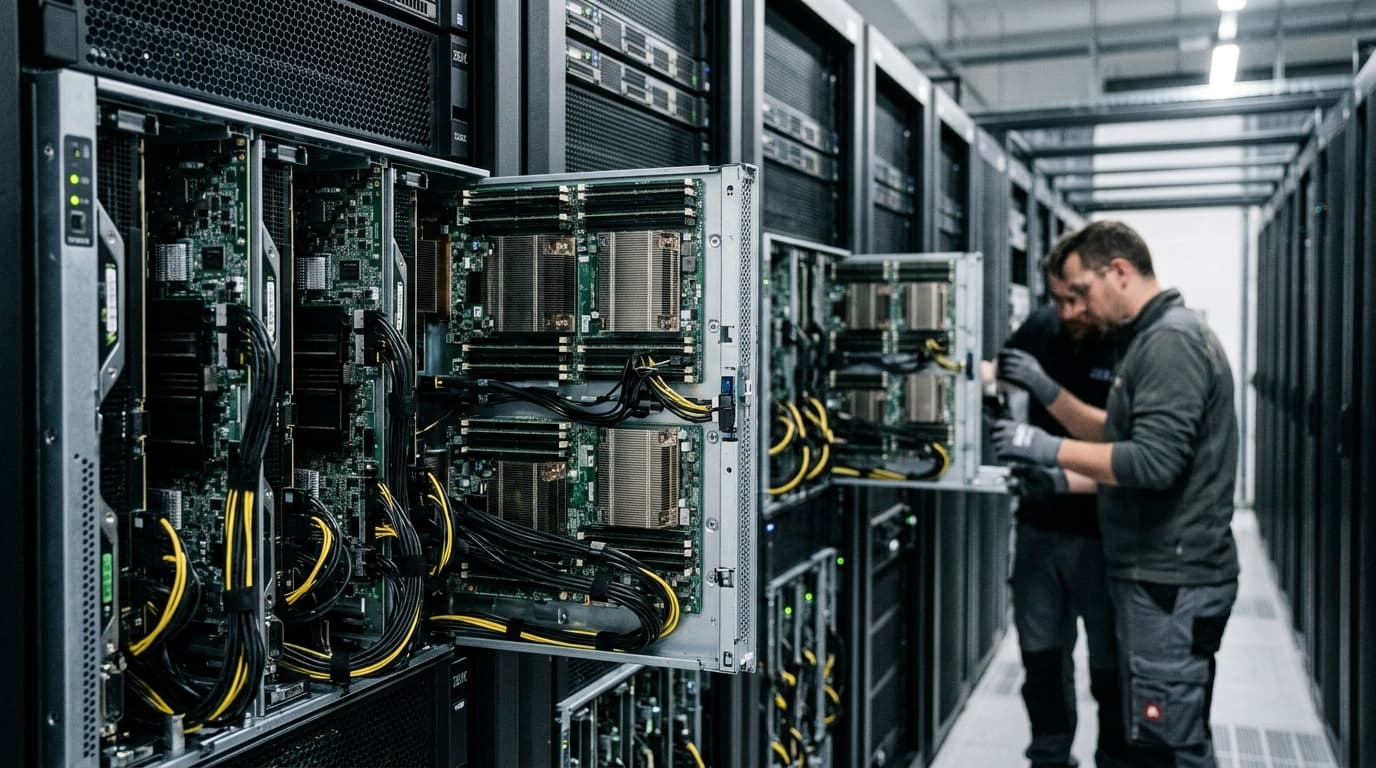
The core of IBM's unexpected performance miss lies in a fundamental re-prioritization by its enterprise clients. Instead of traditional software licenses, services, and mainframe upgrades, businesses are now funneling significant portions of their IT budgets into securing AI hardware. This includes high-performance servers, specialized storage solutions, and advanced memory components, all critical for developing, deploying, and scaling AI models. The urgency is palpable: enterprises are rushing to acquire these supply-constrained infrastructure components, driven by the anticipation of future price increases and the strategic necessity to build out their AI capabilities.
This shift is not merely incremental; it represents a strategic pivot in how large organizations view their IT investments. The insatiable demand for AI processing power and data handling capacity is creating a new hierarchy of spending priorities, where foundational AI infrastructure takes precedence over previously established IT expenditure categories.
Market Reallocation: The AI Boom's Ripple Effect
The IBM event serves as a stark illustration of the profound market reallocation of funds currently underway, directly fueled by the global AI boom. The sheer scale of investment required for AI development, from large language models to advanced analytics, is reshaping capital expenditure patterns across industries. Companies are recognizing that competitive advantage in the coming decade will largely depend on their AI capabilities, necessitating significant upfront investment in the underlying hardware. This dynamic is disrupting traditional IT spending patterns and exerting considerable pressure on the valuations of established tech giants whose business models are heavily reliant on legacy systems and software.
The scramble to secure AI hardware is a race against time and supply constraints. Enterprises understand that delaying these investments could mean falling behind competitors, making the immediate acquisition of robust AI infrastructure a top strategic imperative. This has created a surge in demand for specialized hardware manufacturers, while simultaneously challenging companies like IBM to adapt their portfolios rapidly.
Impact on Traditional Tech Giants
For decades, companies like IBM have been cornerstones of enterprise IT, providing critical software, services, and hardware that powered global businesses. The current shift, however, poses a significant challenge to these established players. Their revenue streams, historically stable through long-term contracts for software maintenance, mainframe leases, and traditional IT consulting, are now facing unprecedented pressure. As clients divert funds, the growth potential in these legacy segments diminishes, forcing a rapid re-evaluation of business strategies and product roadmaps.
The imperative for these giants is to pivot aggressively towards AI-centric offerings, either by developing their own competitive AI hardware and software solutions or by integrating deeply with the new AI infrastructure ecosystem. Failure to adapt quickly risks further erosion of market share and investor confidence, as evidenced by IBM's recent stock performance. This period marks a critical juncture for the entire tech industry, separating those who can innovate and transform from those who remain tethered to past successes.
Europe's Urgency: Adapting to an AI-First Landscape
For European businesses, this seismic shift in IT spending underscores the urgent necessity of adapting their strategies to an evolving AI-first investment landscape. While the immediate impact was felt by a US-based giant, the underlying forces are global. European companies, including those in Barcelona and Catalonia, must critically assess their current IT capital expenditure plans. Delaying investment in AI infrastructure could lead to significant competitive disadvantages, particularly as AI capabilities become central to efficiency, innovation, and customer engagement across all sectors.
The European Union's focus on digital sovereignty and ethical AI also means that businesses here have a unique opportunity to build AI infrastructure that aligns with these values, potentially fostering a robust local ecosystem. However, this requires proactive investment and strategic planning to secure the necessary hardware and talent.
- Short note clarifying these are indicative/representative figures.
Strategic Implications for Businesses
The IBM event is a clarion call for businesses worldwide to re-evaluate their IT strategies. It's no longer sufficient to incrementally upgrade existing systems; a fundamental shift towards an AI-centric infrastructure is becoming a prerequisite for future success. This involves not only allocating budget for AI hardware but also investing in the talent, data pipelines, and operational models required to effectively leverage these new capabilities. Companies must conduct thorough assessments of their AI readiness, identify critical infrastructure gaps, and prioritize investments that will yield the greatest strategic advantage.
Furthermore, the supply chain constraints highlighted by IBM's CEO suggest that securing partnerships with key hardware providers and planning infrastructure investments well in advance will be crucial. Proactive engagement with the AI hardware market can mitigate risks associated with price volatility and availability, ensuring that businesses can build the foundation necessary to thrive in an AI-driven economy.
How would you describe your organization's current investment in dedicated AI hardware infrastructure (servers, GPUs, specialized storage)?
The New Normal of IT Spending
The events surrounding IBM's stock performance are not an isolated incident but rather a potent indicator of a paradigm shift in enterprise technology spending. The era of incremental upgrades and predictable software licensing cycles is giving way to a dynamic landscape where AI infrastructure dictates investment priorities. This "new normal" will require businesses to be more agile in their budgeting, more strategic in their hardware procurement, and more integrated in their approach to AI across all operations.
Companies that embrace this shift will find themselves well-equipped to leverage the transformative power of AI, driving innovation, efficiency, and new revenue streams. Those that cling to outdated spending models risk obsolescence in an increasingly AI-driven global economy.
Future Outlook: Opportunities Amidst Disruption
While disruptive for established players, this market reallocation also presents immense opportunities. For companies specializing in AI hardware, cloud infrastructure, and AI-native software, the demand surge is a significant tailwind. For enterprises, the challenge is to strategically navigate this transition, making informed decisions about where and how to invest in AI infrastructure to maximize long-term value.
The coming years will likely see continued volatility as the market adjusts to these new priorities. However, the underlying message is clear: AI is not just another technology; it is the foundational layer for future business competitiveness, and investment in its infrastructure is now paramount.
“The shift towards AI hardware is not just a trend; it's a fundamental re-prioritization of enterprise capital expenditure that is reshaping the entire tech landscape.”