Introduction: A New Era for AI Governance
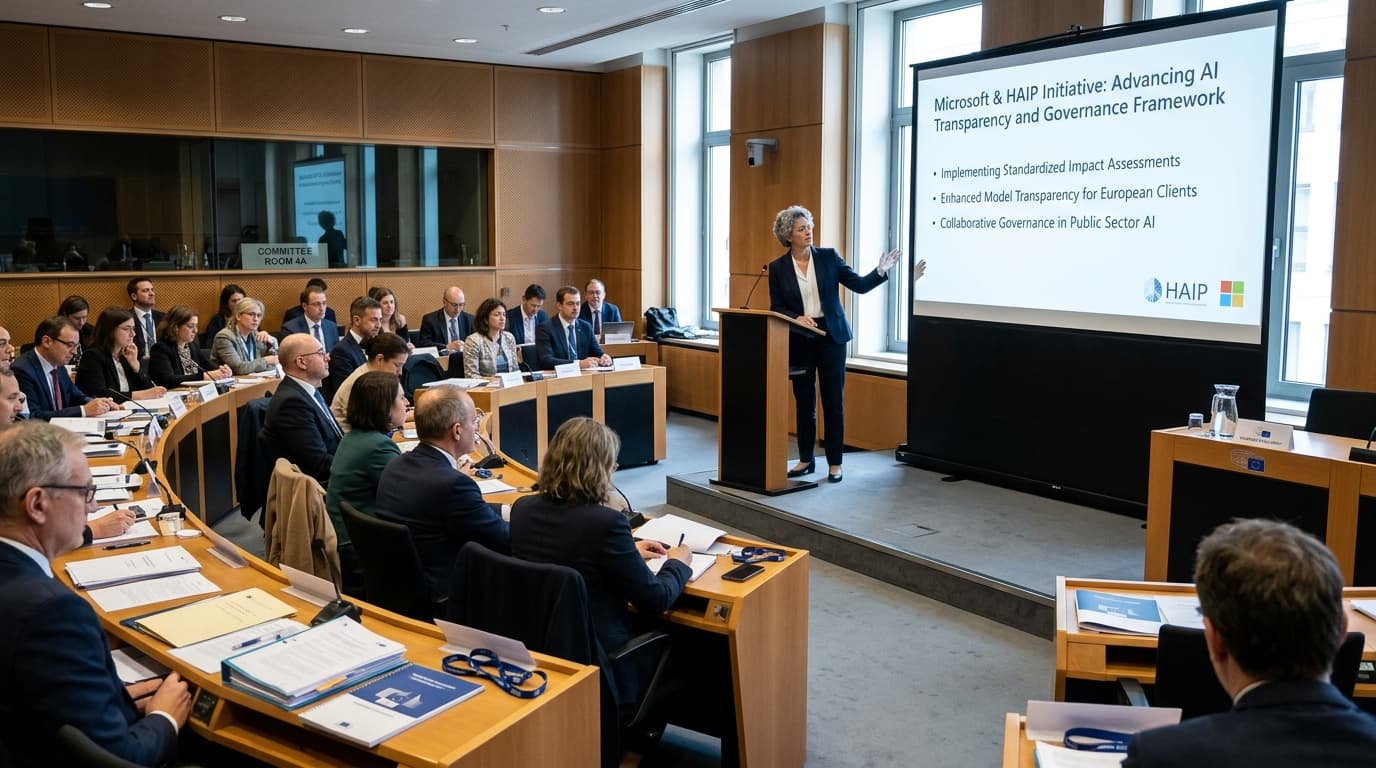
Microsoft has officially joined the Human-AI Interaction Principles (HAIP) initiative, a move that is poised to significantly impact the landscape of AI development and deployment. This endorsement signals a crucial step towards enhancing AI transparency and governance across the industry. By aligning with HAIP, Microsoft underscores its commitment to fostering more trustworthy and ethically aligned AI systems through standardized reporting and evaluation frameworks.
This strategic decision by one of the world's leading technology companies sets a powerful precedent. It highlights a growing industry consensus that the future of AI hinges not just on innovation, but equally on robust ethical guidelines and clear accountability mechanisms. For businesses in Barcelona and across Europe, Microsoft's adoption of the HAIP framework offers a compelling model to consider in their own AI development and deployment strategies, emphasizing the critical importance of ethical and transparent AI systems.
Understanding the HAIP Initiative
The Human-AI Interaction Principles (HAIP) initiative was established with the core objective of standardizing the way AI systems are reported and evaluated. Its primary goal is to promote greater transparency and accountability, addressing the inherent complexities and potential biases within advanced AI technologies. HAIP provides a framework that encourages developers and deployers of AI to articulate clearly how their systems interact with users, how decisions are made, and what safeguards are in place to ensure fairness and ethical operation.
HAIP focuses on several key areas, including clarity in communication, user control, explainability of AI decisions, and mechanisms for redress. By offering a common language and a set of shared expectations, HAIP aims to build public trust and facilitate responsible innovation. This standardization is vital as AI systems become increasingly integrated into critical sectors, from healthcare to finance, where the impact of opaque or biased algorithms can have profound societal consequences.
Microsoft's Strategic Commitment to Responsible AI
Microsoft's formal announcement of its participation in HAIP is a clear demonstration of its commitment to advancing responsible AI development and deployment. This move is consistent with the company's long-standing efforts to embed ethical considerations into its AI research and product development lifecycle. By adopting HAIP, Microsoft is not merely endorsing a set of principles; it is committing to integrate these standards into its operational practices, thereby influencing its vast ecosystem of partners and customers.
The decision reflects an understanding that leadership in AI extends beyond technological prowess to include a proactive stance on governance. For a company with Microsoft's global reach, this commitment can significantly accelerate the adoption of responsible AI practices across diverse industries and geographies, fostering an environment where innovation thrives alongside ethical responsibility.
Setting an Industry Precedent
The adoption of HAIP by a major global technology company like Microsoft is expected to encourage broader industry engagement with AI governance frameworks. This is not merely a symbolic gesture; it creates a tangible benchmark for others to follow. Smaller companies and startups, often lacking the resources to develop their own comprehensive ethical guidelines, can now look to established frameworks like HAIP, validated by industry leaders, as a blueprint for their own responsible AI strategies.
This move could catalyze a domino effect, prompting other tech giants and key players to either join HAIP or develop similarly robust, interoperable frameworks. The collective effort towards standardized transparency and accountability is crucial for preventing a fragmented landscape of AI ethics, ensuring that the benefits of AI are realized responsibly across the board.
Implications for European Businesses and Barcelona's AI Ecosystem
For basebcn's clients in Barcelona and across Europe, Microsoft's embrace of HAIP offers a timely and relevant model. The European Union has been at the forefront of AI regulation with its forthcoming AI Act, and frameworks like HAIP complement these legislative efforts by providing practical, industry-led guidelines for implementation. European companies, particularly those developing or deploying AI, can leverage HAIP's principles to ensure their systems are not only compliant with future regulations but also built on a foundation of trust and ethical design.
Barcelona, with its vibrant tech scene and growing AI ecosystem, stands to benefit significantly from this development. Local companies can use HAIP as a guide to differentiate their offerings, enhance their reputation for responsible innovation, and gain a competitive edge in a market increasingly sensitive to ethical AI. Adopting such frameworks can also facilitate cross-border collaboration and market access within the EU and beyond, by demonstrating a commitment to globally recognized standards of AI governance.
- Indicative figures representing the relative emphasis of different principles within a comprehensive AI governance framework like HAIP, not official statistics.
Strategic Recommendations for European Enterprises
For European enterprises, particularly those operating within the intricate regulatory landscape of the EU AI Act, Microsoft's HAIP adoption serves as a powerful signal. It underscores the imperative for proactive engagement with AI governance. Companies should consider conducting an internal audit of their existing AI systems against HAIP's principles, identifying areas for improvement in transparency, accountability, and ethical alignment.
Investing in specialized training for AI development teams, legal departments, and management on ethical AI frameworks is crucial. Furthermore, collaborating with industry bodies and expert consultancies can provide invaluable guidance in navigating these complex requirements and translating abstract principles into actionable strategies, ensuring both compliance and competitive advantage.
The Future of Trustworthy AI
Microsoft's participation in the HAIP initiative marks a significant milestone in the journey towards building more trustworthy and ethically sound AI systems globally. This move is expected to accelerate the broader industry's commitment to responsible AI, fostering an ecosystem where innovation is balanced with societal well-being. The long-term vision is an AI landscape characterized by greater transparency, robust accountability, and a deeper alignment with human values.
As AI continues to evolve and integrate into every facet of life, initiatives like HAIP, championed by industry leaders, will be instrumental in shaping a future where AI serves humanity responsibly and sustainably. For companies like basebcn and its clients, embracing these principles is not just about compliance; it's about building a foundation of trust that will define success in the age of artificial intelligence.
“Microsoft's move champions a future where AI systems are not only powerful but also inherently transparent and accountable, fostering greater trust across the industry.”