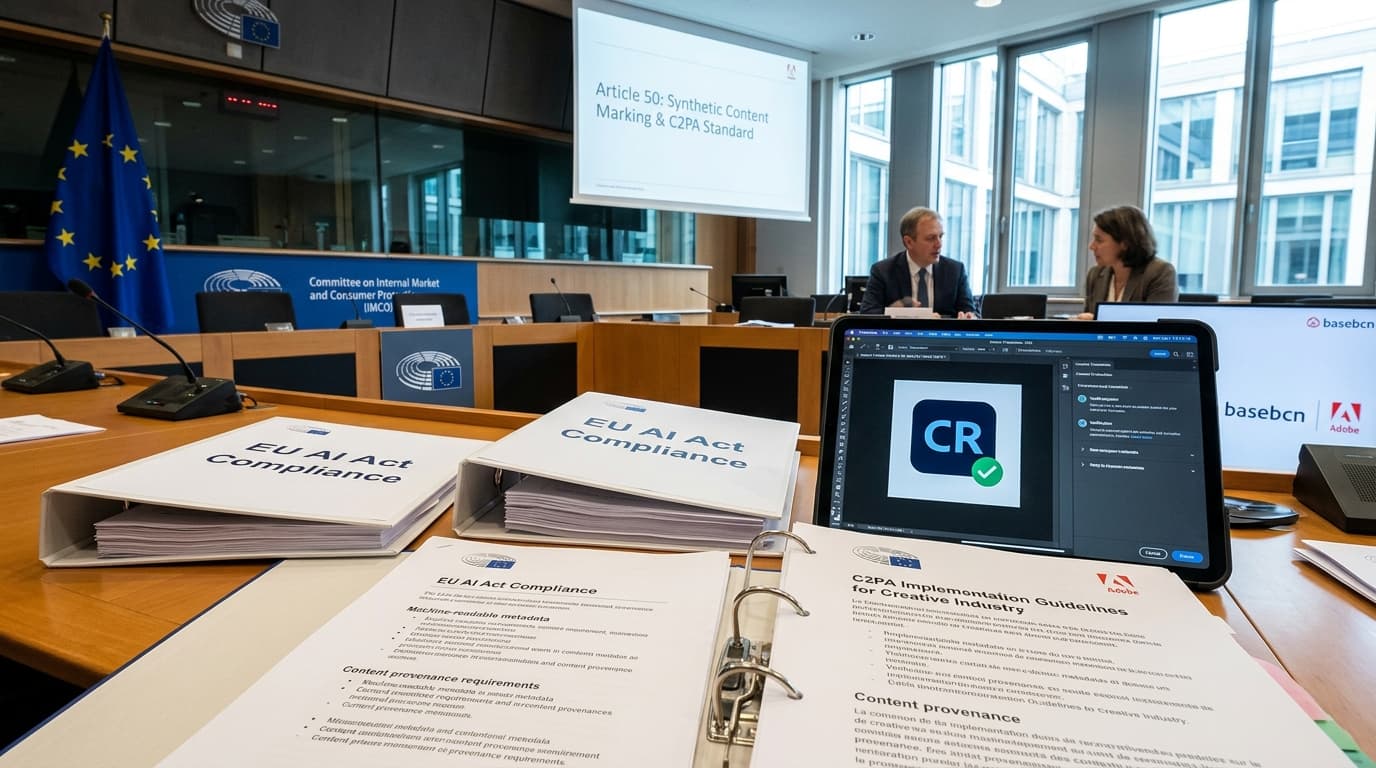
A key provisional agreement
The EU's journey to regulate AI took an important step on May 7, 2026 with a provisional agreement on key amendments to the AI Act. The modifications adjust compliance deadlines and expand the prohibited AI practices.
The goal: simplify implementation for businesses while reinforcing ethical and safety safeguards across the bloc.
Risk classification, visualized
The Act classifies AI systems by their potential for harm. Tap each category to see what it covers.
High risk
Allowed but heavily regulated — risk assessments, data governance, human oversight, transparency, and conformity assessment before market.
- CV-screening / hiring AI
- Credit scoring & creditworthiness
- AI in medical devices
- AI in critical infrastructure
- Education admissions / grading
Staggered deadlines and new prohibitions
Annex III HRAIS are deferred to Dec 2, 2027 and Annex I HRAIS to Aug 2, 2028. Transparency for synthetic content marketed before Aug 2, 2026 is extended to Dec 2, 2026.
At the same time, from Dec 2, 2026 new prohibitions take effect against non-consensual intimate imagery and abuse material, demanding an immediate review of AI applications.
Extended deadlines are not a delay tactic, but an opportunity to build trustworthy, compliant AI from scratch.
Interactive timeline
Switch between the original and amended deadlines to understand where each key obligation stands.
Is your AI system high-risk?
A 4-question heuristic test based on Annex III. It is not legal advice, but it is a useful starting point.
Does your AI system fall into any Annex III use case?
Barcelona, at the forefront
Barcelona, an AI innovation hub, is well placed in the face of this change. Its commitment to ethical tech development matches the spirit of the Act.
The amendments are an opportunity for local businesses not only to comply, but to lead the responsible deployment of AI and set a benchmark for good practice in the European market.
Practical implications for businesses
Companies must audit their AI systems, especially those that could be high-risk or fall into newly prohibited uses. Internal ethical frameworks, AI literacy and legal counsel are no longer optional.
Extended deadlines for HRAIS are an opportunity to build more resilient, trustworthy and legally sound solutions, not an excuse to postpone.
Looking ahead
These amendments underscore the dynamic nature of AI regulation. Staying up to date and embedding responsible AI principles into operations will be key to unlocking AI's potential and preserving trust in Europe's digital single market.
“More realistic deadlines for high-risk, but immediate prohibitions: you must plan and, at the same time, review now.”