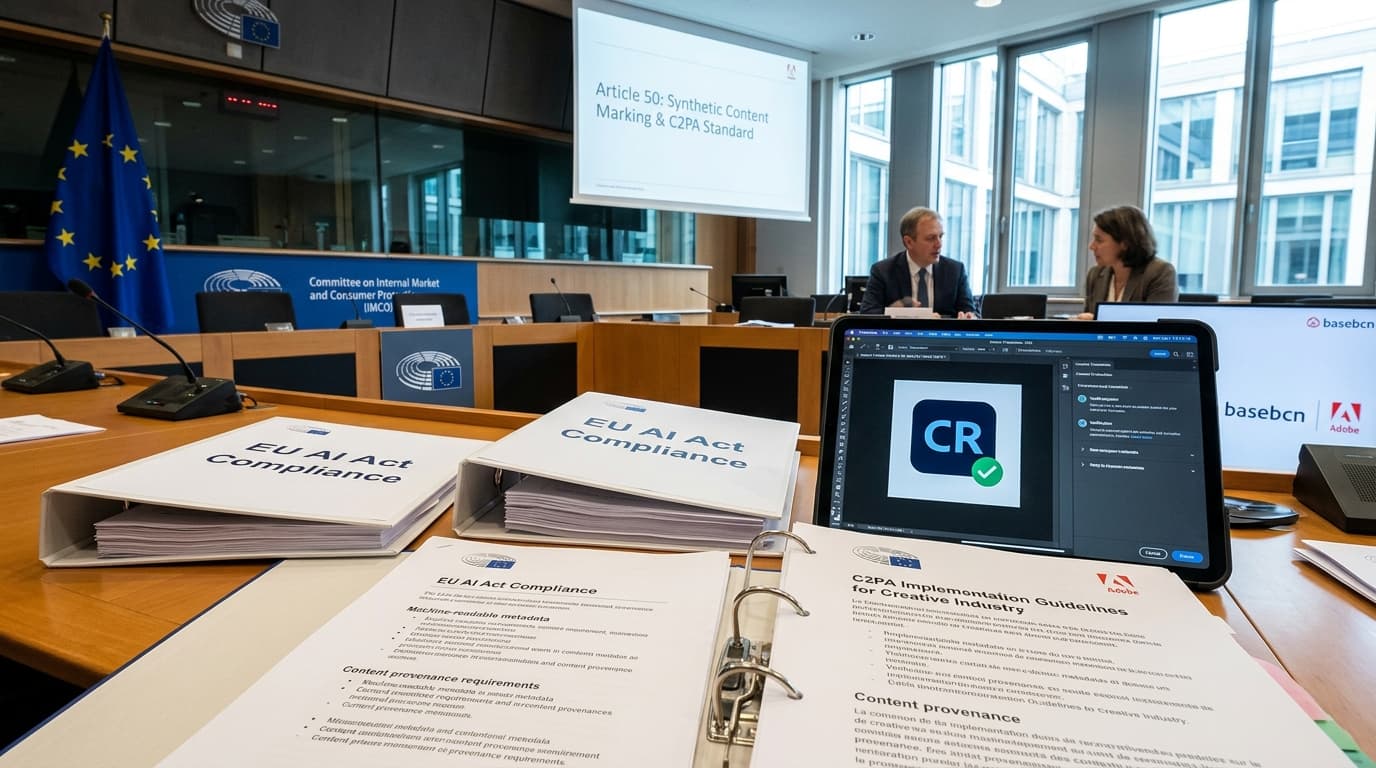
A strategic recalibration
The EU AI Act, landmark legislation for trustworthy artificial intelligence, has undergone significant revisions. The amendments, politically agreed on May 7, 2026 within the Digital Omnibus on AI, aim to streamline implementation and adapt to AI's rapid evolution.
For tech companies and startups across Europe, especially in hubs like Barcelona, these adjustments signal a shift in the regulatory landscape: extended deadlines and greater support for innovation.
Risk classification, visualized
The Act classifies AI systems by their potential for harm. Tap each category to see what it covers.
High risk
Allowed but heavily regulated — risk assessments, data governance, human oversight, transparency, and conformity assessment before market.
- CV-screening / hiring AI
- Credit scoring & creditworthiness
- AI in medical devices
- AI in critical infrastructure
- Education admissions / grading
Deferrals and new deadlines
Compliance for high-risk systems is extended by 16 months: from Aug 2, 2026 to Dec 2, 2027. Watermarking of AI-generated content (systems marketed before Aug 2, 2026) is deferred to Dec 2, 2026.
The amendments also introduce new prohibitions, effective Dec 2, 2026, against non-consensual intimate content and abuse material, underscoring the commitment to ethical AI.
High-risk obligations move from Aug 2, 2026 to Dec 2, 2027 — sixteen months to get compliance right.
Interactive timeline
Switch between the original and amended deadlines to understand where each key obligation stands.
Is your AI system high-risk?
A 4-question heuristic test based on Annex III. It is not legal advice, but it is a useful starting point.
Does your AI system fall into any Annex III use case?
Why Barcelona benefits
Extended deadlines give Barcelona companies, especially SMEs and mid-caps, more time to align their high-risk systems without stifling growth.
Broader access to regulatory sandboxes, including a new EU-level sandbox, lets local innovators test solutions in a controlled environment and reduce uncertainty before going to market.
What companies should do now
The current period is an opportunity for proactive engagement: audit AI systems, train teams on the Act's requirements and use the sandboxes to accelerate the path to compliance.
Taking this stance is not just a regulatory burden, but an investment that builds trust and positions the company as a leader in responsible AI.
Looking ahead
The revised Act balances strict ethical requirements with practical deadlines and stronger support. The European AI Office will guide consistent enforcement, paving the way for a more resilient and competitive European AI landscape, with Barcelona at the forefront.
“Extended deadlines are not a delay, but a runway to build AI with compliance by design.”